
Depression Is a Silent Killer—Let’s Talk About It: Written by Norman Lloyd

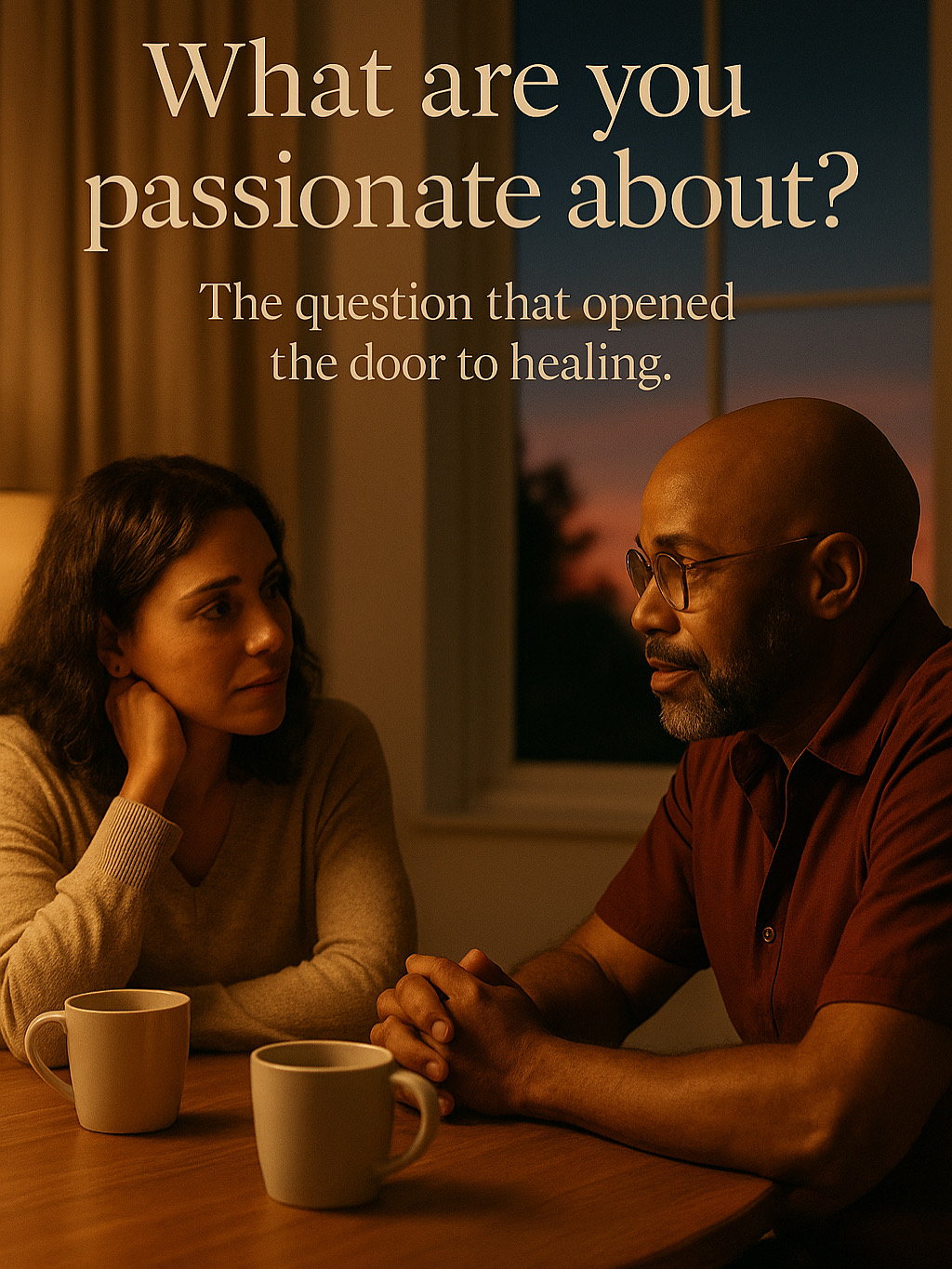
What Are You Passionate About?

Every week, my wife and I sit at our dining room table for our couples check-in. We talk about our wins, our challenges, and how we’re really doing. Sometimes we laugh. Sometimes we cry. We almost always end with a warm cup of tea and a deeper understanding of each other.

But this particular meeting caught me off guard.

She asked me, “What are you passionate about?”

I gave the typical, easy answer: “You, babe.”

She smiled, but she wasn’t having it. She leaned in with her soul-penetrating curiosity and asked again, “No really—what keeps you up at night? What topic would you stand on a soapbox for?”

I got quiet. I didn’t have an answer in that moment. But over the next few days, as I reflected more deeply, the answer came—clear as day.

PTSD and depression.
Not just because I’ve studied it. But because I’ve lived it.


Depression: More Than Just Feeling Sad

As part of my ongoing series for PTSD Awareness Month, I want to talk openly about depression—the silent partner of trauma.

According to the National Institute of Mental Health (NIMH):

  • 8.3% of adults experienced a major depressive episode in the past year.
  • 5.0% of adults live with persistent feelings of depression.
  • 18.4% of adults have been diagnosed with depression at some point.

Those are the numbers. Now let’s talk about the reality.


What Does Depression Feel Like?

Depression is more than feeling down—it’s a weight, a fog, a thief that steals joy and presence from your life. People have described it as:

  • A heavy emotional blanket they can’t remove.
  • Hopelessness that follows them from morning until night.
  • A haunting thought that maybe the world would be better off without them.

You can be sitting next to someone with depression and never know it. Many people battling depression wear a smile, go to work, attend events—and are silently drowning.


The Family Member’s Perspective

One of the most heartbreaking things I’ve heard from families is:

“I had no idea.”
“They seemed fine.”
“How did I miss the signs?”

The truth is, depression hides. It’s like a ghost—lurking in the background, invisible to those not paying close attention. It can live undetected in a spouse, a child, a best friend. And when it strikes, it leaves people stunned and searching for answers.


Clinical Symptoms of Depression (for the folks who need the textbook version)

Here’s how depression can present itself:

  • Persistent sadness or emptiness
  • Loss of interest or pleasure in activities once enjoyed
  • Low energy or fatigue
  • Changes in appetite or weight
  • Sleep disturbances (too much or too little)
  • Difficulty concentrating or making decisions
  • Irritability or frustration
  • Feelings of guilt or worthlessness
  • Thoughts of death or suicide

This isn’t just a bad day or a rough week. Depression can settle in and stay for weeks, months, or even years without proper support.


Let’s Keep It Real

Depression is a deadly, devastating illness—and it’s not something people can just “snap out of.”

Here’s what help is not:

  • Telling someone to “just get over it”
  • Minimizing it with “everyone gets sad sometimes”
  • Ignoring the signs and hoping they go away
  • Dismissing someone’s pain or calling them dramatic

If you or someone you care about is struggling with depression, please reach out. Talk to a therapist. Call a hotline. Say something to a trusted friend or family member.


If You’re Struggling With Depression, Remember:

  • You are not alone.
  • You are not broken.
  • You are not beyond help.
  • Depression wants you to believe those lies—but I’m here to tell you, healing is possible.

There are people out here who care. Trained professionals who have walked this road, or walked alongside others, and are ready to walk with you too.


Final Words

This is what I’m passionate about—bringing depression and PTSD into the light. These conditions rob people of their joy, their purpose, their ability to truly live. But they don’t have to win.

If you’re a friend, partner, sibling, or parent—check in. Start the conversation. Be someone’s safe space.

Together, we can make life just a little more bearable, one open conversation at a time.

Norman Lloyd, MA, LPC

Visionary Family Counseling

#MentalHealthMatters #DepressionAwareness #PTSDandDepression #TherapistThoughts #MensMentalHealth #YouAreNotAlone #ItsOkayToAskForHelp #BreakTheStigma #HealingIsPossible


Posted in Depression, PTSD | Tagged , , , , , , , , | Leave a comment

Celebrate Your Real Ride-or-Dies: Why Your Partner Should Be Your Best Friend Too

June 8th is National Best Friends Day—a day to celebrate those who show up, stand by us, and see us for who we truly are. As a therapist, I can tell you that while best friends play a vital role in our emotional health, one of the most powerful friendships you can nurture is the one with your significant other.


Why We Need Deep Connection

True friendship gives us something we all crave: the freedom to be unapologetically ourselves. It allows us to share struggles without fear of judgment, to celebrate wins with someone who truly gets us, and to feel seen. Solid friendships also buffer us from isolation, protect against depression and anxiety, and reinforce our sense of worth and purpose.

Friends ground us. They remind us we’re important, lovable, and not alone in the world. So here’s a question worth pausing over: do you treat your partner with the same kindness, empathy, and loyalty you give your best friends?


Do You Treat Your Partner Like a Friend?

Over time, many couples fall into patterns of routine, stress, or emotional distancing. The friendship aspect fades. Ask yourself:

  • Do I show up for my partner emotionally and consistently?
  • Do I listen with empathy and encourage their growth?
  • Am I as patient and supportive with them as I am with my close friends?

If the answer is no, consider why. Sometimes, it’s because we don’t feel that same effort coming back our way. Still, it’s important to keep your own side of the street clean. That means taking ownership of how you show up and inviting your partner into a healthier dynamic with openness and vulnerability.


How to Rekindle the Friendship in Your Relationship

If your partnership has lost its playful, connected, or trusting tone, here are some ways to shift the tide:

  1. Say Thank You More Often: Appreciate your partner for the little things. Gratitude builds momentum for more kindness.
  2. Celebrate What’s Working: Don’t just focus on what’s broken. Highlight what you love about your partner—and say it out loud.
  3. Have Fun Together: Go on adventures, try something new, be silly. Fun is the heartbeat of friendship.
  4. Communicate Gently: When things are tough, speak from your experience instead of blaming. Lead with curiosity, not criticism.
  5. Consider Therapy: A good couples therapist can help you clear out old patterns and build a stronger, more supportive bond.

Choose Each Other Every Day

Friendship isn’t passive—it’s active, intentional, and built moment by moment. In your romantic relationship, treat your partner like someone you want to be around, not someone you’re simply stuck with.

You don’t need a perfect relationship to have a meaningful one. You just need two people willing to show up, be real, and keep choosing each other.

This National Best Friends Day, take a moment to honor your friendships—and if you’re in a relationship, take steps to make your partner one of your very best friends again. Celebrate connection, show gratitude, and remember that love and friendship, when nurtured together, create a relationship that lasts.

Tammy Fisher, MA, LPC-S, LMFT-S, CST

Posted in Intimacy/Sex, Relationship Issues | Tagged , , , , , , , , , , , , , , , , , , | Leave a comment

Finding New Trails: How Hiking Can Inspire Your Relationship

Torrey Pines State Natural Reserve

It’s National Trail Days, a perfect excuse to lace up your boots, pack some snacks, and head out into nature. But have you ever stopped to think about how exploring new trails mirrors navigating a relationship? My husband (also a therapist) and I love to travel and explore new trails together—it not only connects us through shared adventure but also allows us to pause, be present with each other, and immerse ourselves in the beauty around us. Recently, while meandering through the stunning paths of Torrey Pines State Natural Reserve, we couldn’t help but reflect on the striking similarities between hiking trails and the journey of relationships.

Embracing the Ups and Downs

Just like hitting the trails, relationships have their ups and downs. Sometimes the path is smooth, offering breathtaking vistas and the excitement of discovering something new together. Other times, it’s rocky, exhausting, and you might seriously question why you ever started. And oh, how I’ve been there—remind me to tell you about my waterfall chasing adventure in Oregon or the countless stairs to Prague Castle! Those moments certainly tested my patience and endurance.

“Every climb is worth the view from the top.”

The Danger of Monotony

I get it. After counseling countless couples (and being married myself), I’ve seen how easy it is to get caught in monotony—doing the same thing every weekend, recycling the same conversations, and somehow losing sight of what made the journey together feel magical. It’s like getting stuck on the same loop trail every weekend, knowing every twist until it becomes predictable and dull. And that, my friend, is the fast track to the death of intimacy.

Stay Curious, Stay Connected

Here’s a secret: relationships and intimacy, like trails, thrive on curiosity and a willingness to explore the unknown. There’s a reason new hikes are exciting—each one offers unknown possibilities and adventures.

When hiking a new path, you’re alert, curious, engaged. You notice wildflowers, wildlife, quirky landmarks, or odd-shaped rocks (we’ve all seen animal-shaped rocks!). Relationships flourish when you approach your partner with the same curiosity. Ask new questions, suggest adventures, and genuinely explore who they’re becoming. People evolve, and your partner always has something new to reveal. You’ll start noticing new endearing qualities and enchanting details.

“Curiosity is the heartbeat of lasting love.”

Pushing Through the Challenges

Sure, there might be tough climbs—those conversations that feel uncomfortable, vulnerable, or downright frustrating. But here’s the deal: that endurance strengthens you both. Pushing through challenges builds intimacy, trust, and a sense of achievement. Nothing feels better than overcoming a steep hill together and enjoying the view from the top, right? Oh let me tell you about the breath taking moments from behind a ginormous waterfall or the view from Prague Castle! It was worth it! Those moments of accomplishment become memories you cherish, reminding you why you embarked on the journey together in the first place.

View from behind a ginormous waterfall in Oregon.

Shake Things Up

If your relationship feels stuck or distant, consider this your gentle, playful nudge: it’s time to shake things up. Plan a hike—literally or figuratively. Try cooking something new, book a spontaneous weekend trip, or simply walk a new path around your neighborhood. How about kayaking, visiting a museum, or taking a dance class? Feeling overwhelmed about where to begin? Maybe counseling can help start the conversation and create a map to rediscover that beautiful relationship hidden beneath routine.

“Adventure awaits when you step outside your comfort zone.”

Quick Ways to Reconnect:

  • Plan a spontaneous date night.
  • Explore a new trail or neighborhood walk together.
  • Cook or try a new cuisine together.
  • Start a hobby or class that interests both of you.
  • Practice curiosity by asking deeper, meaningful questions.
  • Consider counseling for guidance and deeper reconnection.

Remember, stagnation kills passion quicker than mosquitoes ruin a perfect hike. Keep moving, stay curious, and embrace the adventure—because the most rewarding trails are those walked hand-in-hand. Every new path holds the promise of rediscovering each other and falling in love all over again.

Happy National Trail Days, friends! Here’s to discovering exciting new paths with your favorite trail partner. Now, where did I put my hiking boots again?

Tammy Fisher, MA, LPC-S, LMFT-S, CST

Posted in Relationship Issues | Tagged , , , , , , , , , , , | Leave a comment

The Hidden Hunger: Emotionally and Physically Starved Men

In our society, we often focus on the emotional needs of women, while overlooking the struggles faced by men. Culturally, we raise boys to be tough, resilient, and self-reliant, discouraging them from seeking emotional support or expressing vulnerability. This societal conditioning leaves many men emotionally and physically starved without even realizing it. In this blog post, we will explore the unaddressed needs of men in terms of emotional connection and physical touch. We will delve into the importance of healing touch and discuss how society’s emphasis on worshiping the female body has left men yearning for similar acknowledgment, but tamping it down in order to be a “good, strong, man”. It’s time to acknowledge that men are just as human and deserving of care and attention.

Culturally Conditioned: More Toughness, Less Touch

From an early age, boys are taught to suppress their emotions and prioritize toughness over vulnerability. Crying is often discouraged, and seen as a sign of weakness rather than a healthy outlet for expressing emotions. Society applauds stoicism in men while stigmatizing sensitivity. As a result, many men grow up believing that they must bottle up their feelings and face challenges alone. Don’t ask for help. Don’t have any needs. Don’t feel anything except the two socially accepted emotions for men: happy and angry.

This cultural conditioning not only affects their emotional well-being but also limits their ability to connect deeply with others. The lack of emotional support leaves many men feeling isolated and disconnected from themselves and those around them, with the burden of the world on their shoulders. Just suck it up and keep moving forward.

Masculine Connections: Success Over Intimacy

In a bid to foster connections, many men often turn to areas where they feel confident and successful. Outside of intimacy, they may feel at a loss about how to establish a deeper connection with their partners. This uncertainty often leads them to lean into activities that bring them a sense of accomplishment, such as working on a project, engaging in competitive sports, or sharing their expertise on a subject.

While these activities provide an avenue for men to connect, they often deflect from the emotional intimacy that forms the heart of a relationship. The focus on success and competency can overshadow the need for vulnerability, emotional support, and physical touch, thus reinforcing the existing barriers to connection and emotional fulfillment. Society must redefine the paradigms of masculinity, encouraging men to seek and express emotional intimacy beyond the spheres of sex and success.

The Unrecognized Void: Emotional and Physical Starvation

Men might not even realize that they are experiencing emotional and physical starvation until they start reflecting upon their own needs. The societal expectation for them to be strong at all times can create an internal conflict between what they truly desire – emotional connection – and what is expected of them – emotional detachment.

The absence of these connections can lead to various negative consequences such as increased stress levels, mental health issues like depression or anxiety, strained relationships with partners or friends, and an overall sense of emptiness.

Nourishing the Soul: The Importance of Healing Touch

One powerful way to address the emotional and physical starvation in men is through healing touch. Touch has been proven to have a profound impact on our well-being, releasing oxytocin – the hormone responsible for bonding and connection.

Healing touch can come in various forms, such as therapeutic massages, cuddling, or even simple gestures like holding hands or hugging. These acts of physical affection provide a sense of comfort, security, and emotional nourishment that men often lack in their lives.

Body Worship: A One-Sided Narrative

In today’s society, we are bombarded with images and messages that worship the female body. From billboards to magazines, women are celebrated for their physical beauty and sensuality. However, when it comes to men, there is a distinct lack of similar representation.

This one-sided narrative not only perpetuates unrealistic expectations for women but also neglects the fact that men too seek validation and appreciation for their bodies. Men deserve to be celebrated for their physical attributes without feeling objectified or reduced to societal expectations of performance to have value and receive attention.

The Performance Pressure: A Hidden Burden

Men live under constant pressure to measure up to societal expectations of machismo, strength, and stoicism. This notion of having to ‘perform’ to possess value often leads to an unhealthy mindset, where their self-worth is intrinsically linked to how well they adhere to these masculine stereotypes.

The societal norm that men must always be the protector, the provider, and the pillar of strength, can lead to immense pressure and create a fear of failure. This encourages the suppression of emotions, fostering a culture of emotional inexpressibility among men.

It is essential to challenge these archaic notions and create a society where men do not have to ‘perform’ to be seen as valuable. Men’s worth, like everyone else’s, should be recognized as inherent, not contingent upon how well they conform to imposed standards.

Equality in Humanity: Men Deserve Care Too

It’s time to challenge the status quo and recognize that men are just as human as women. They have emotions that need acknowledgment, they have bodies that require care and appreciation. By fostering an environment where emotional vulnerability is encouraged and physical touch is normalized, we can begin to bridge this gap of emotional and physical starvation.

Let us strive towards creating a society where men feel safe expressing their emotions without fear of judgment or ridicule. Let us celebrate all bodies equally – male or female – appreciating them for the unique beauty they possess.

Conclusion: Nurturing Emotional and Physical Well-being

Emotional and physical starvation among men is a pressing issue that often goes unnoticed or unaddressed. By understanding the cultural conditioning surrounding masculinity and actively working to break these barriers, we can create a world where men are allowed to be vulnerable and seek the emotional support they need.

Additionally, promoting healing touch and body positivity for men will help them feel seen, valued, and cared for. It’s time to recognize that emotionally and physically starved men deserve our attention, empathy, and support. Together, we can foster a more inclusive society that nurtures the emotional and physical well-being of all individuals, regardless of their gender.

For more information and guidance on how to support and encourage emotional and physical well-being in men through body worshipping, visit www.thepleasureprinciples.co. Therapy can provide invaluable insights into breaking down barriers, promote open dialogue, and foster an inclusive environment for everyone to express their needs without fear of judgment. Together, we can transform societal norms to create healthier individual, relationships and more satisfying intimate connections.

Posted in Mens Issues | Tagged , , , | Leave a comment